räsonanz Munich 2016
György Ligeti
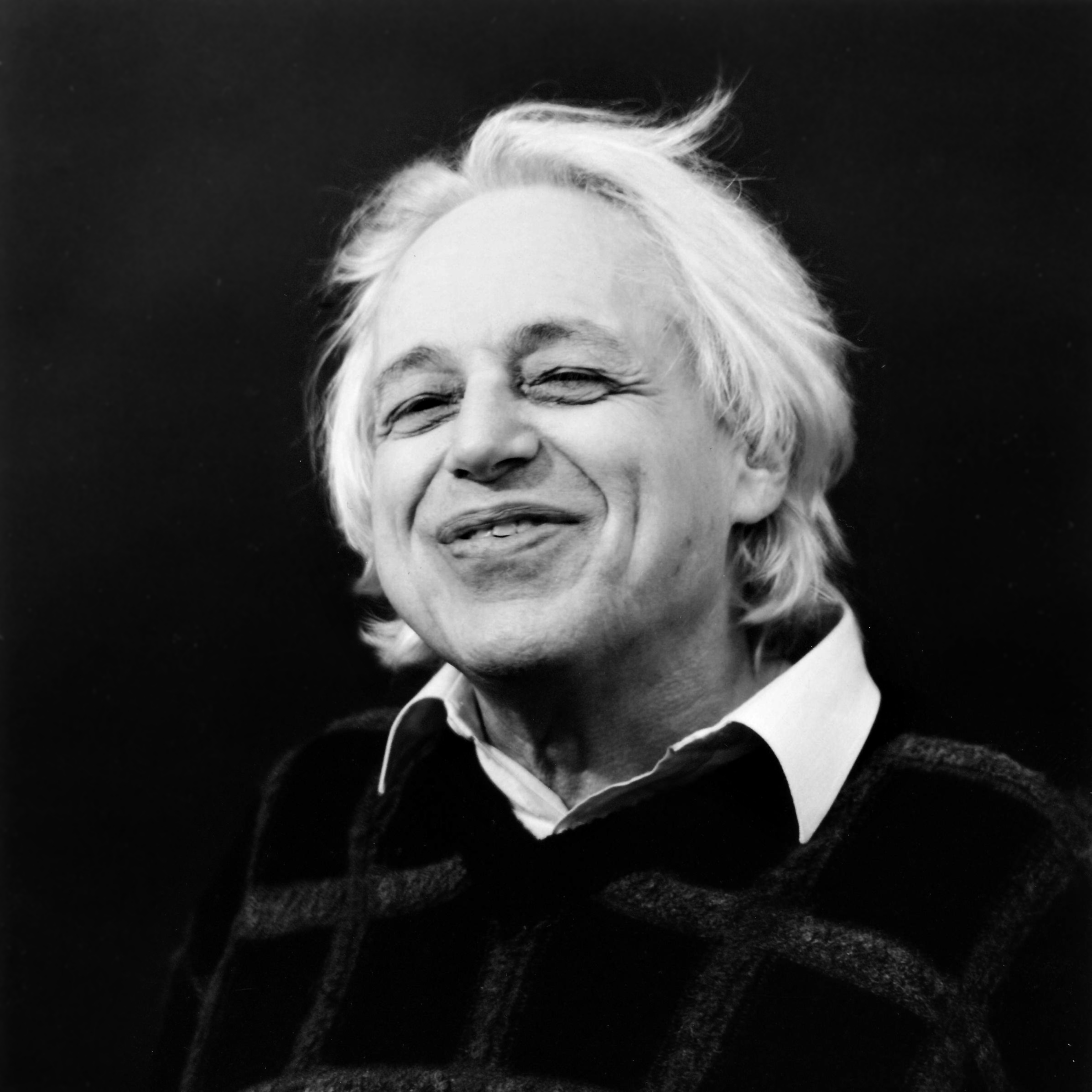
György Ligeti was born on May 28, 1923 as the son of Hungarian-Jewish parents in Dicsőszentmárton (today Târnǎveni, Transylvania, Rumania). From 1941 to 1943 he studied under Ferenc Farkas at the Conservatory in Klausenburg and from 1945 to 1949 at the Franz Liszt Academy in Budapest under Sándor Veress, Pál Járdányi and Lajos Bárdos. After the repression of the uprising in his homeland December 1956 saw him leave Hungary for both political and artistic reasons.
While working as a freelancer at WDR Cologne’s electronic music studio (1957 to 1958) he undertook an intense exploration of the music of Karlheinz Stockhausen, Mauricio Kagel and Pierre Boulez. In the 1960s Ligeti worked as a lecturer at the Darmstadt Summer School for New Music and as visiting professor at Stockholm Music Academy. From 1969 to 1970 he was grant recipient of the German Academic Exchange Service (DAAD) in Berlin and in 1972 Composer-in-Residence at Stanford University in California. A year later he was appointed Professor for Composition at Hamburg Music Academy. As academy instructor (to 1989) and composer Ligeti significantly impacted international contemporary music and became a musical-aesthetic focal point of an entire generation. He died in Vienna on June 12, 2006.
I almost always associate sounds with color, shape and consistency, likewise conversely I associate shape, color and material properties with every acoustic sensation. Even abstract notions like quantities, relationships, contexts and processes seem sensualized and have their place within an imaginary space.
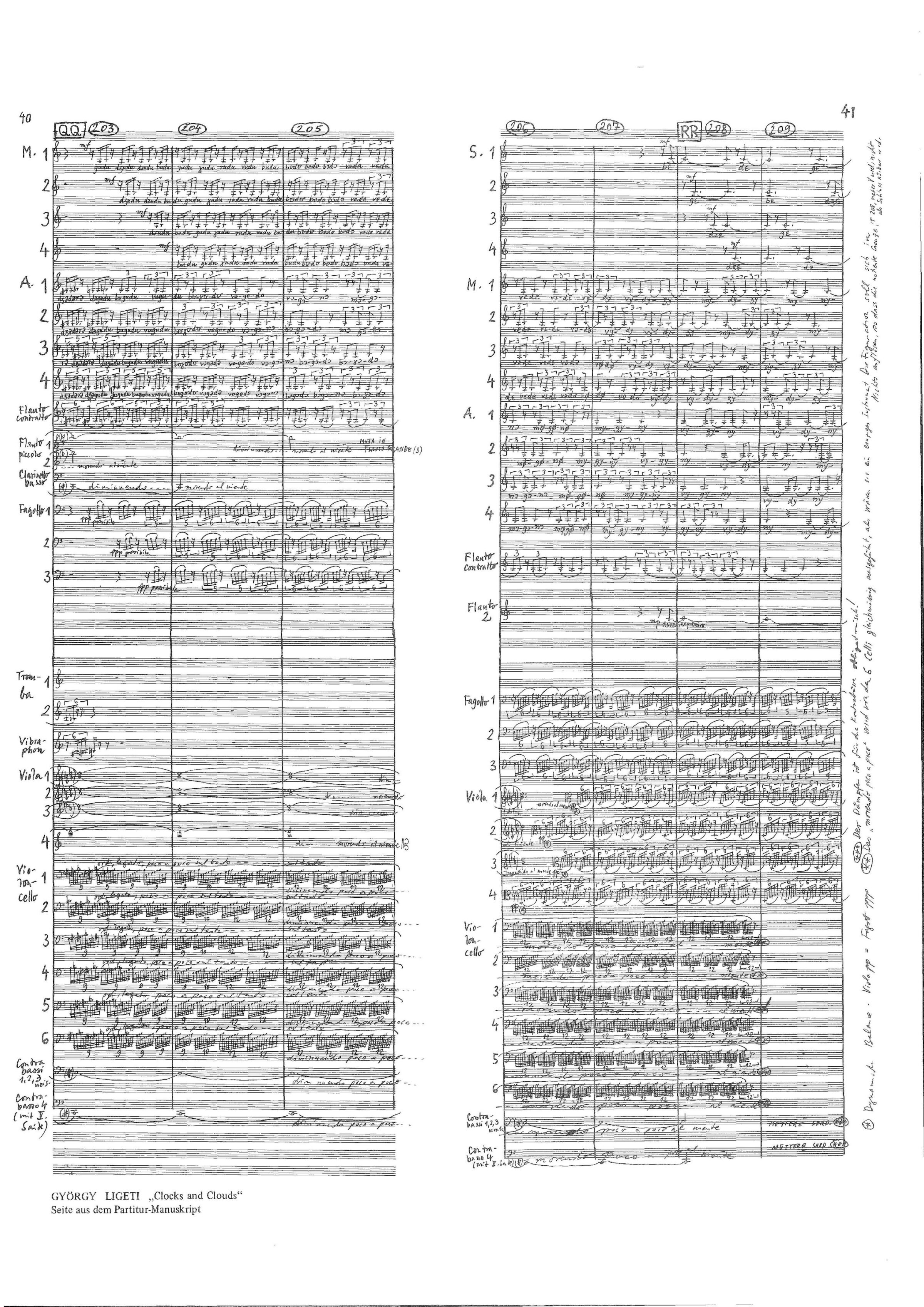
In music circles Ligeti already caused a major stir with his electronic composition Artikulation (1958) realized at Cologne’s Tonstudio. With his orchestral works Apparitions (1958-59) and Atmosphères (1961) he reaped swift acclaim on the international music scene. Approaches to micropolyphony already emerged in his pieces composed in Hungary – such as the a cappella choral works Éjszaka and Reggel. With his works from the late 1950s and 1960s the concept of an extremely condensed network of voices is increasingly juxtaposed with static tonal space compositions. With bewildering effect: a high degree of vocal movement leads to music that features within spatially audible perception.
In the 1980s and 1990s complex polyrhythmic composition techniques are at the focus of Ligeti’s works. The Etudes pour piano that appeared in a series of three publications covering a composition period from 1985 to 2001 clearly illustrate this development. In the same period he also worked on solo concerts for piano and orchestra (1985-88) and violin and orchestra (1990/92). Just like the Hamburg Concerto for Horn and Chamber Orchestra (1998/99) – both works also entered the standard repertoire of many soloists.

Ligeti’s evening-long stage work Le Grand Macabre arose between 1974 and 1977 (new version 1996) after a fable by Michel de Ghelderode. The pastiche of the Last Judgment in an imaginary “Breughel Land” becomes an absurd display of the all too human needs of its inhabitants. Also in musical terms Ligeti uses the medium of parody: from the acrobatic Belcanto and complex serial structures through to the grotesque recitative.
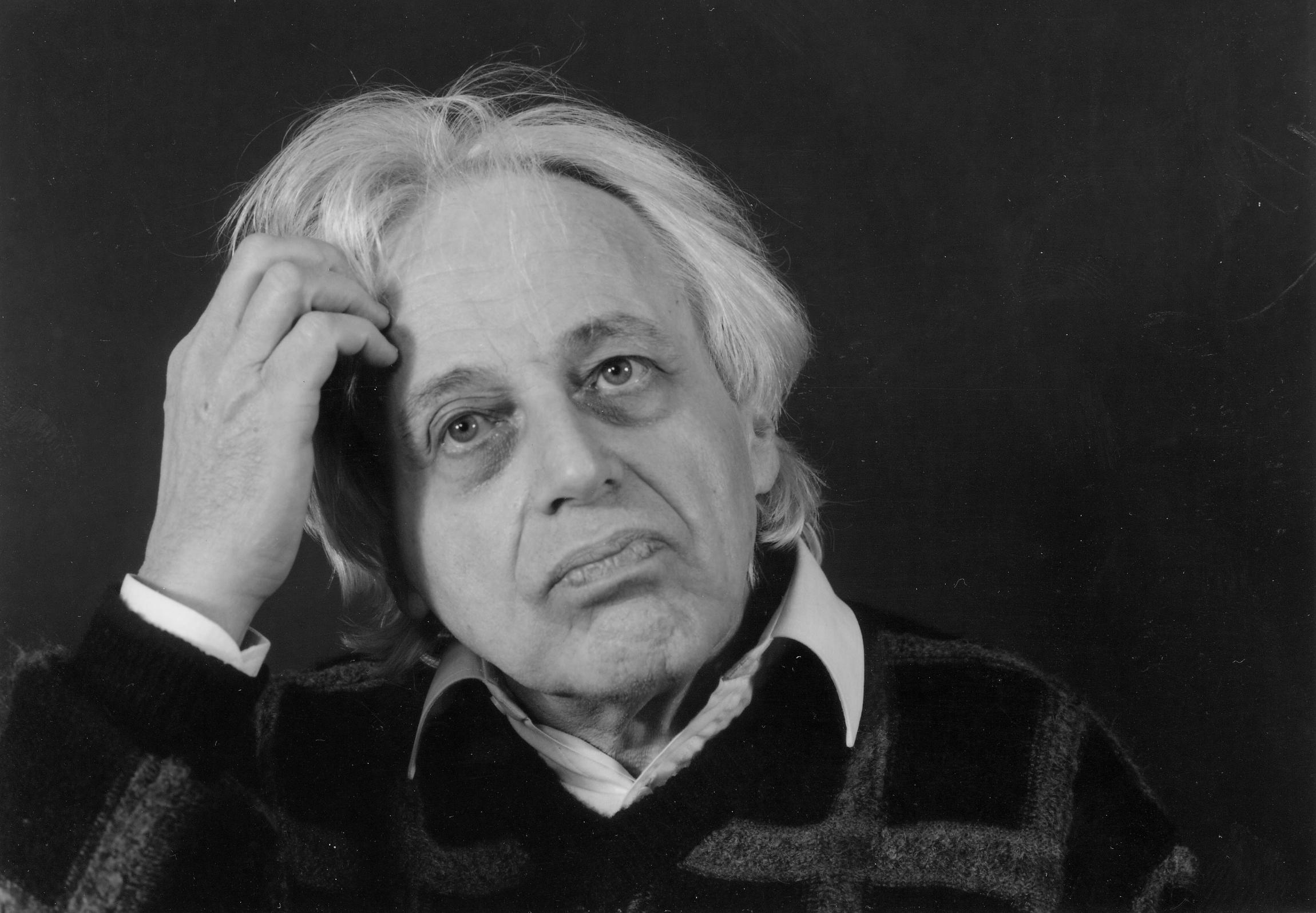
In addition to his membership of Hamburg’s liberal arts academy Freie Akademie der Künste and Munich’s fine arts academy, Bayerische Akademie der Schönen Künste, Ligeti has received numerous awards. These include: the Commandeur dans l’Ordre National des Arts et Lettres, the Prix de composition musicale de la Fondation Prince Pierre de Monaco (both in 1988), the Balzan Foundation Music Prize (1991), the Ernst von Siemens Music Prize (1993), the UNESCO IMC Music Prize (1996) as well as honorary membership of the Rumanian Academy (1997) and nomination as Associé étranger of the Académie des Beaux Arts (1998). Furthermore, Ligeti was presented with the Sibelius Prize from the Jenny and Antti Wihuri Foundation (2000), the Kyoto Prize for art and science (2001), the Medal for Art and Science of the Senate of the City of Hamburg (2003), the Theodor W. Adorno Prize of the City of Frankfurt (2003) and the Polar Music Prize from the Royal Swedish Academy of Music in Stockholm (2004).